Sri Lanka is home to a unique subspecies of Asian elephant, the Elephas maximus maximus. These majestic creatures are more than just wildlife; they are deeply woven into the island’s spiritual, cultural, and historical fabric. From the sprawling dry plains of the north to the lush jungles of the south, seeing a wild elephant in its natural habitat is a soul-stirring experience that defines any trip to Sri Lanka.
The Sri Lankan Subspecies: A Unique Icon
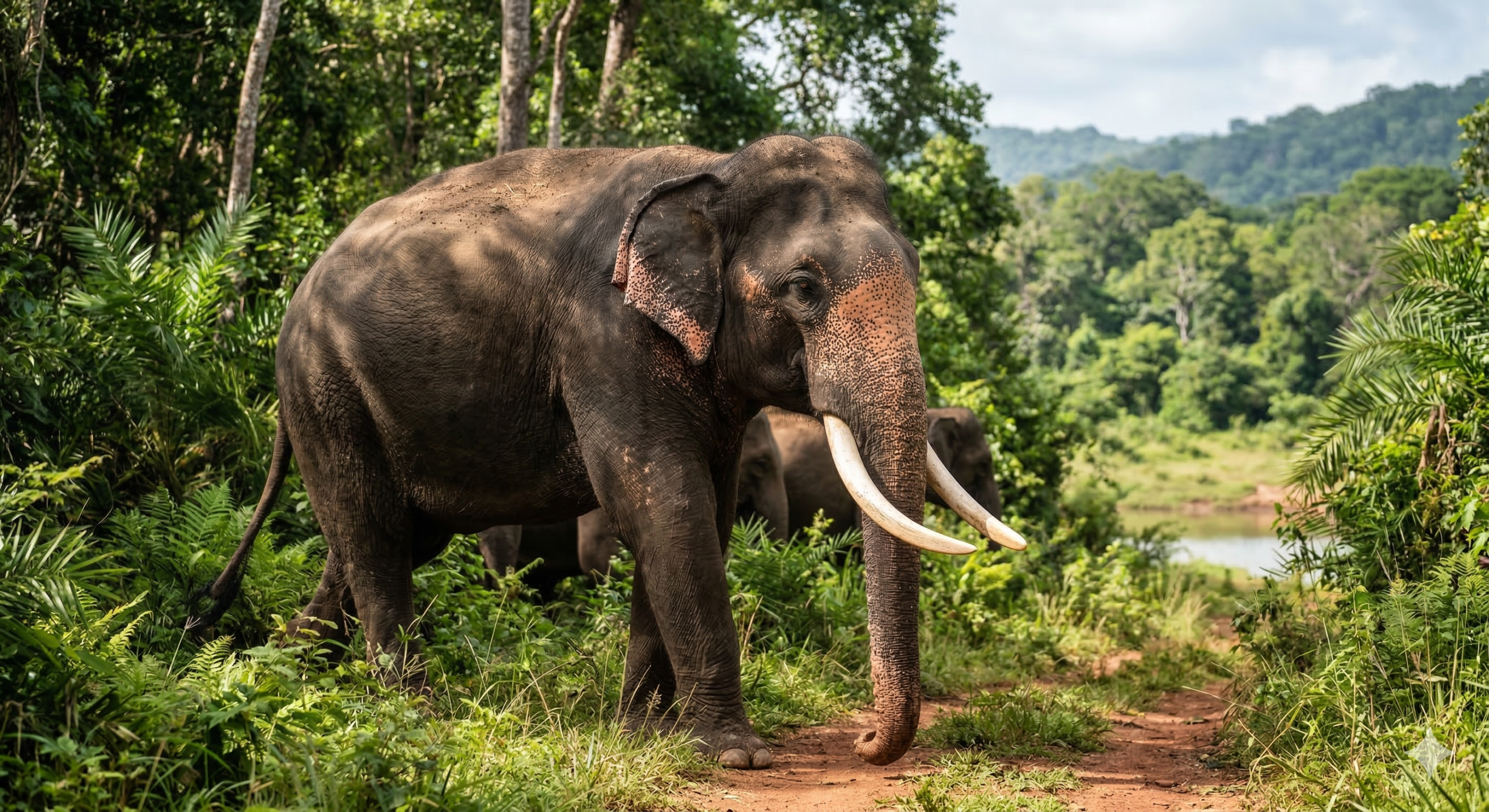
The Sri Lankan elephant is the largest and darkest of the three subspecies of Asian elephants. Unlike their African cousins, only about 7% of Sri Lankan males carry tusks, making those who do (known as ‘tuskers’) incredibly rare and revered.
- Distinct Features: They are characterized by patches of depigmentation—distinctive pink freckles—on their trunks, ears, and faces.
- Intelligence and Social Bonds: These giants live in complex matriarchal societies. A herd is typically led by the oldest, wisest female who remembers the locations of water holes and ancient migratory paths across generations.
Where to Witness the Majesty: Top National Parks
While elephants can be spotted crossing roads in the “Cultural Triangle,” the best way to see them is within the protected boundaries of the national parks.
- Udawalawe National Park: Often cited as the best place for year-round sightings. Because of the open grasslands and the central reservoir, it is almost guaranteed that you will see herds of mothers and calves bathing and grazing.
- Minneriya & Kaudulla: Famous for “The Gathering” (typically July to September), where hundreds of elephants congregate around the receding waters of ancient tanks.
- Yala National Park: While famous for leopards, Yala’s diverse ecosystem of lagoons and scrub jungle provides a dramatic backdrop for spotting solitary bulls and small family units.
The Human-Elephant Conflict: A Delicate Balance
As Sri Lanka develops, the space between wild jungles and human settlements shrinks. This has led to the Human-Elephant Conflict (HEC), one of the most pressing conservation challenges on the island.
- Encroachment: Elephants follow ancient migratory routes that now often pass through villages and farms. This results in crop raiding and, unfortunately, casualties on both sides.
- Conservation Efforts: Organizations and the Department of Wildlife Conservation (DWC) are working on innovative solutions, such as seasonal electric fencing, community-based fences, and “elephant corridors” to allow safe passage between parks.
- The Elephant Transit Home (ETH): Located in Udawalawe, this facility rescues orphaned calves with the primary goal of rehabilitating them and releasing them back into the wild, rather than keeping them in captivity.
How to Be a Responsible Observer
To ensure these giants remain wild and stress-free, travelers must follow ethical guidelines during their safaris.
- Keep Your Distance: Always instruct your driver to maintain a respectful distance. If an elephant stops eating or starts flapping its ears aggressively, you are too close.
- Silence is Golden: Keep noise levels to a minimum. Loud talking or shouting can startle a herd, especially those with young calves.
- No Feeding: Never attempt to feed a wild elephant. This encourages “begging” behavior, which often leads to elephants approaching vehicles on public roads, increasing the risk of accidents.
- Stay in the Vehicle: It is illegal and extremely dangerous to alight from your jeep inside a national park.
A Legacy Worth Preserving
The wild elephants of Sri Lanka are the guardians of its forests. To see a matriarch guiding her newborn through the tall grass or a massive bull emerging from the mist is to glimpse the prehistoric heart of the island. By supporting ethical tourism and conservation initiatives, we can ensure that the “clatter of the clearing” continues for centuries to come.