In Sri Lanka, “Rice and Curry” is far more than a meal; it is a fundamental part of life, a daily ritual, and the undeniable heartbeat of the island’s culinary identity. While other countries have rice-based dishes, nowhere is the combination so central, so varied, and so deeply embedded in the culture. From the humblest roadside shack to the most elegant dining table, Rice and Curry is the great equalizer, beloved by all Sri Lankans and a revelation to every visitor. This dish is not just about sustenance; it’s a vibrant, aromatic journey through the island’s diverse history, geography, and rich array of spices.
The Soul of the Dish: Not Just One, but Many
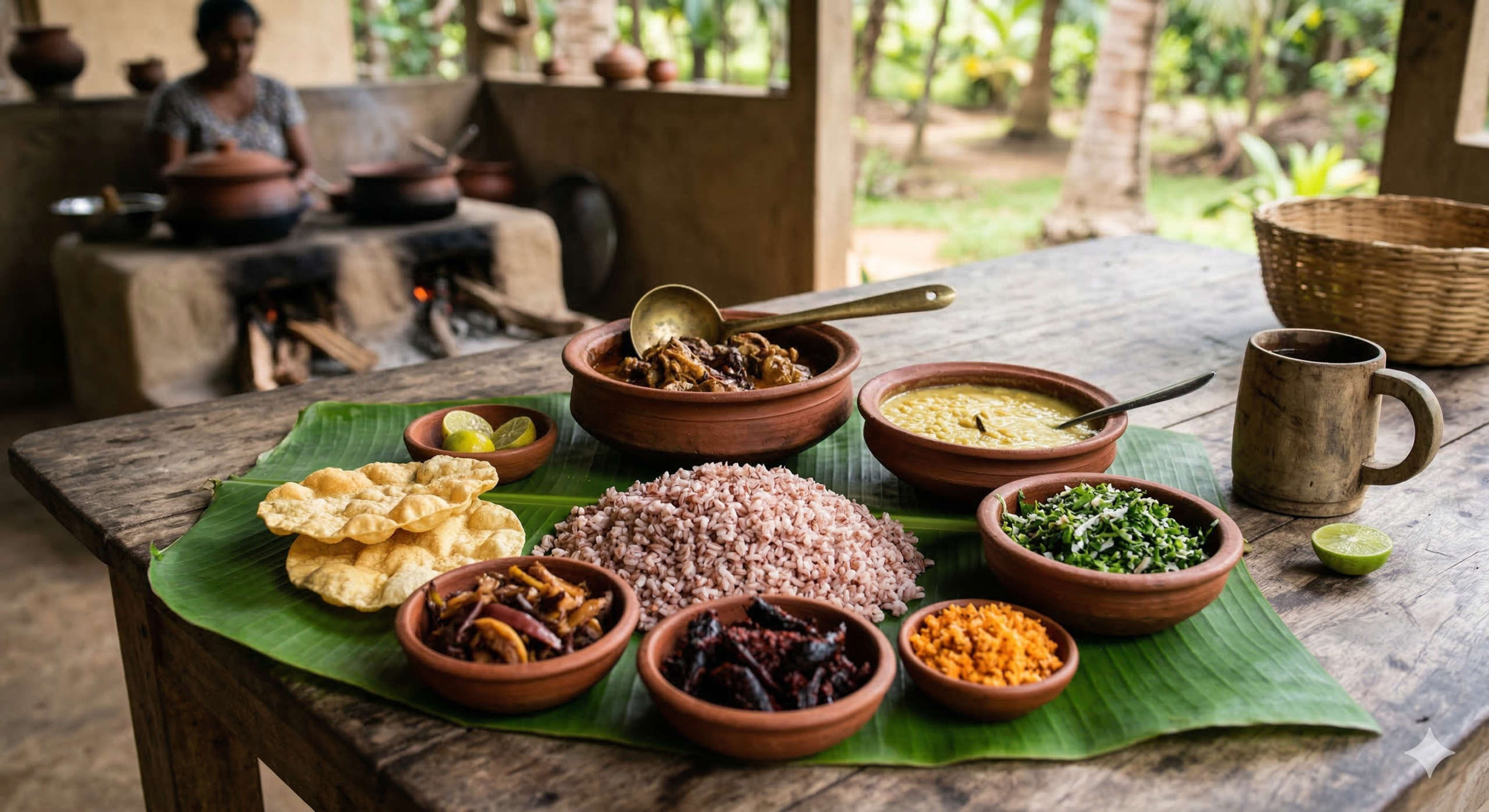
The term “Rice and Curry” might sound simple, but the reality is a glorious, complex feast. In Sri Lanka, you are almost never served just rice and a single curry. Instead, it is a magnificent spread of multiple distinct curries and accompaniments served alongside a generous portion of rice. A standard meal typically includes a foundational dhal (lentil) curry, a green vegetable dish, a vibrant sambol, a protein curry (fish, chicken, or often a vegetarian alternative), and various other small side dishes. This arrangement ensures a perfect balance of flavors (spicy, sour, sweet, and savory) and textures in every single bite. The variations are practically endless, influenced by what is in season, regional availability, and the individual cook’s family traditions.
The Red, the White, and the Fragrant: The Rice Foundation
While the curries get much of the attention, the rice itself is not an afterthought. It is the core of the meal. In Sri Lanka, you will encounter numerous types of rice, each with its own specific flavor, texture, and nutritional value. The most common varieties include:
- Samba Rice: A very popular, short-grain white or red rice with a pleasant, slightly nutty flavor. It cooks up relatively light and fluffy.
- Red Kekulu (Unpolished Rice): This red, unpolished rice is a nutritional powerhouse, high in fiber and minerals. It has a robust, distinct, and slightly earthy taste and is often the rice of choice in traditional homes.
- Keeri Samba: Often considered a premium rice, Keeri Samba is known for its delicate fragrance, very small grains, and soft, almost silky texture when cooked. It is a favorite for special occasions and a real treat.
The choice of rice can completely change the character of the meal, making the “Rice” part of “Rice and Curry” an essential exploration in its own right.
A Symphony of Spices and Flavors
What makes Sri Lankan Rice and Curry truly stand out is its fearless and masterful use of spices. It is often described as one of the spiciest cuisines in the world, but it’s not just about heat. The spices are layered with immense skill to create complex, aromatic, and deeply satisfying flavors. Key players include:
- Curry Leaves and Pandan Leaves: These are the aromatic workhorses, adding a unique, earthy, and irresistible fragrance to almost every dish. They are often fried in coconut oil at the start of cooking to release their essential oils.
- Coconut: This island staple is used in all its forms: fresh, grated for sambols; coconut oil for cooking; and most importantly, coconut milk, which provides the rich, creamy, and velvety base for almost all Sri Lankan curries.
- Ceylon Cinnamon: Sri Lanka is the home of “true” cinnamon, which is far sweeter and more subtle than the common cassia. It’s an essential part of the famous Sri Lankan roasted curry powder.
- Tamarind and Goraka: These are the key souring agents. Goraka, a dried fruit with a deep smoky, sour flavor, is indispensable for the iconic South Indian-style fish curries.
- Roasted and Unroasted Curry Powders: Sri Lankan curry powders are often homemade and vary from family to family. Roasted curry powder, a dark, complex blend including coriander, cumin, fennel, and true cinnamon, is used primarily for meat and fish. Unroasted powder, a lighter, more subtle mix, is typically used for vegetable and dhal curries.
Essential Accompaniments: Beyond the Curry
No Sri Lankan Rice and Curry feast is complete without its essential side dishes. These provide crucial contrast in flavor and texture:
- Pol Sambol (Coconut Relish): A fiery and fresh mix of grated coconut, chili powder, red onions, lime juice, and often a little Maldive fish (dried, cured tuna). It is perhaps the most beloved side dish on the island, adding instant heat and a burst of flavor to any meal.
- Dhal Curry (Parippu): Made from red lentils cooked to a creamy, comforting consistency with coconut milk and unroasted curry powder. This is the foundational curry, present at almost every Rice and Curry meal.
- Mallung (Leafy Green Relish): Finely shredded green leaves (like Gotu Kola or passion fruit leaves) mixed with fresh grated coconut, red onions, and lime juice. It’s a healthy and vibrant addition that provides a fresh, crunchy contrast.
- Papadams: Deep-fried, crispy lentil wafers that add a delightful and satisfying crunch to the entire meal.
- Pickles (Acharu): From traditional lime pickles to sweet and sour Sinhalese pickles, these provide a sharp, tangy kick that cuts through the rich curries.
A Plate That Tells a Story
Sri Lankan Rice and Curry is a celebration of the island’s bountiful nature and its rich cultural tapestry. Every single plate is a masterpiece, a beautifully orchestrated symphony of flavors and textures that has been perfected over centuries. It’s a meal that is shared with family, offered to guests with pride, and enjoyed by everyone. To experience Rice and Curry in Sri Lanka is not just to eat a meal; it’s to connect with the very soul of the island, to understand its history, and to appreciate the profound love that Sri Lankans have for their food. It is truly the heartbeat that sustains, connects, and defines this beautiful island nation.