For many, a cup of tea is a simple pleasure, a moment of calm in a busy day. But for Ceylon tea, it’s a story woven with history, culture, and a distinct character that has captivated taste buds worldwide. As the sun-kissed island of Sri Lanka, known historically as Ceylon, continues to cultivate some of the world’s finest teas, we delve into the heart of this enduring beverage.
The Birth of an Industry
The tale of Ceylon tea begins in the mid-19th century, a time when the vast forests of central Sri Lanka were being cleared for plantation agriculture. While early attempts focused on coffee, it was James Taylor, a visionary Scotsman, who recognized the island’s unique suitability for tea cultivation. In 1867, he established the first commercial tea plantation in Loolcandura, near Kandy, and pioneered methods for processing and manufacturing. This marked the birth of an industry that would reshape the landscape and economy of Ceylon. Taylor’s legacy endures, with the tea fields of Loolcandura standing as a testament to his pioneering spirit.
A Tapestry of Regions
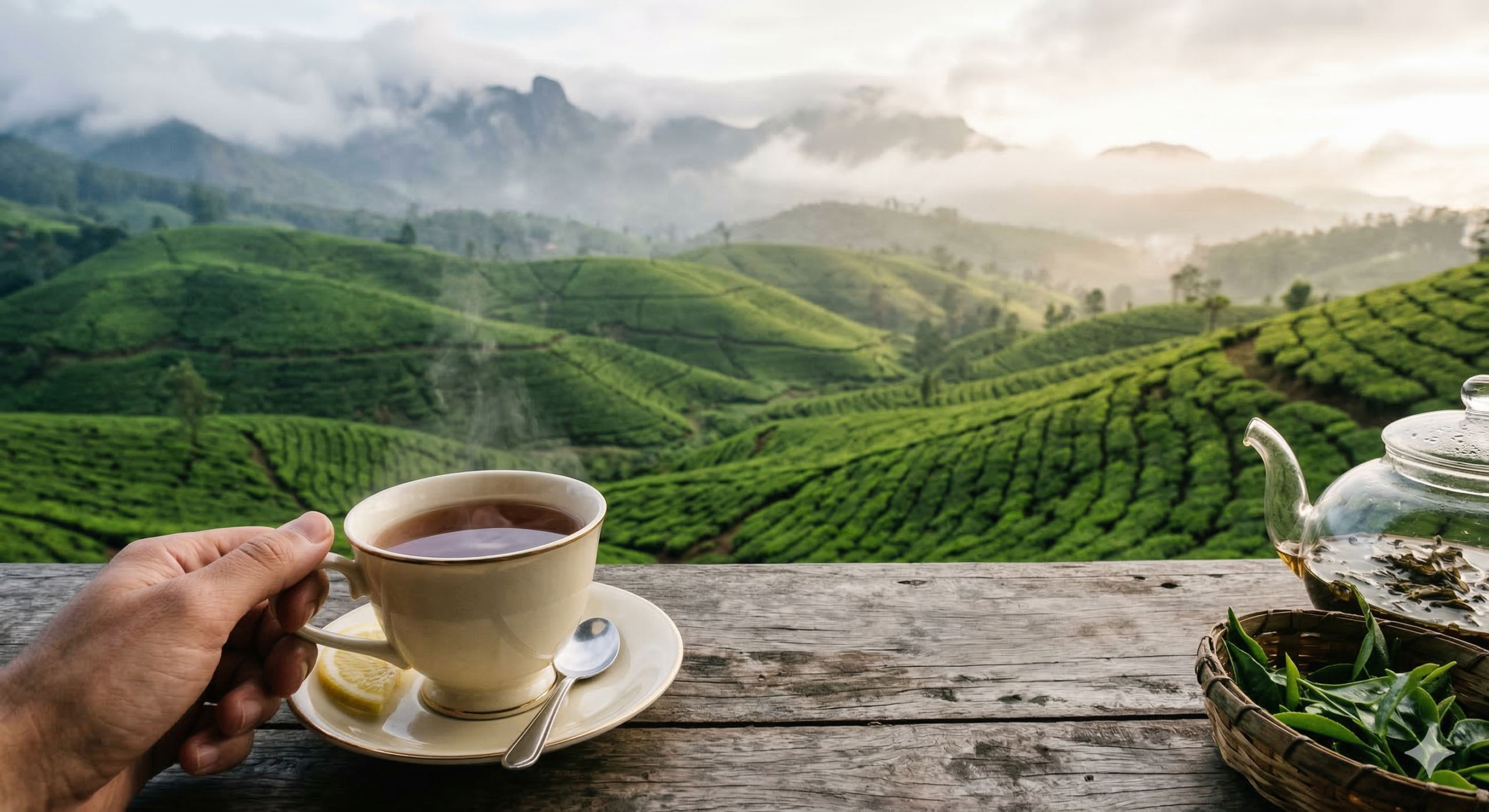
The distinctive character of Ceylon tea is not a product of luck but a result of its unique terroir. The island’s diverse topography, varying altitudes, and distinct microclimates create a rich tapestry of flavors. From the Low Grown teas of the coastal regions, with their bold and full-bodied nature, to the delicate and high-grown teas of Nuwara Eliya, which offer a fragrant and brisk profile, each region imparts a distinct personality to its brew. The central highlands, with their misty mountains and cool temperatures, provide the ideal conditions for producing high-quality teas. The Uva and Dimbula regions, in particular, are renowned for their aromatic and vibrant teas, which are highly sought after by connoisseurs.
The Art of Tea Making
The production of high-quality tea is an art form, perfected over generations of tea masters in Sri Lanka. The journey begins with the careful plucking of “two leaves and a bud,” a practice that ensures only the freshest and most tender parts of the tea plant are used. The leaves are then withered, rolled, fermented, and dried, with each step meticulously controlled to achieve the desired flavor profile. While modern technology has made significant advancements, many traditional methods continue to be employed, preserving the authenticity and craftsmanship of Ceylon tea. The final product is a testament to the dedication and skill of those involved in its creation.
The Heart of the Plantation
The tea industry is deeply intertwined with the social fabric of Sri Lanka, particularly the plantation communities that have sustained it for generations. Thousands of families live and work on tea estates, with women playing a crucial role in the meticulous process of tea plucking. The plantation system has significantly influenced the culture and economy of the region, creating unique social structures and traditions. While challenging, the life of a tea worker is a story of resilience and hard work. Efforts are underway to improve living conditions and empower these communities, ensuring they continue to be a vital part of the Ceylon tea legacy.
Sustainability and Innovation
As the global demand for sustainable products continues to grow, the Ceylon tea industry is embracing innovative practices to ensure its long-term viability. Climate change poses significant challenges, with shifting weather patterns impacting tea production. Efforts are being made to develop climate-resilient tea varieties and adopt eco-friendly farming methods. Furthermore, the industry is focusing on enhancing traceability and certification, providing consumers with greater assurance about the quality and sustainability of Ceylon tea. Innovations in processing and packaging are also being explored to meet the evolving preferences of modern consumers.
A Timeless Legacy, a Sustainable Future
From its humble beginnings as a forest experiment to its current status as a global brand, Ceylon tea has left an indelible mark on the world. Its rich history, diverse terroir, and exquisite craftsmanship have made it a favorite among tea lovers across continents. As the industry looks towards the future, its commitment to sustainability and innovation will be crucial in ensuring that Ceylon tea continues to be a timeless legacy, enjoyed by generations to come. So, the next time you savor a cup of Ceylon tea, remember that you are not just drinking a beverage; you are partaking in a story that began over a century ago in the sun-drenched hills of Sri Lanka.