The Forbidden Martial Art
Deep within the emerald jungles of Sri Lanka lies a combat system so lethal that it was once banned under penalty of death. Angampora, the island’s indigenous martial art, is a breathtaking fusion of raw power, intricate weaponry, and esoteric spirituality. For over 2,500 years, this art form protected kings and repelled invaders, only to be driven underground during the British colonial era. Today, like a phoenix rising from the ashes, Angampora is experiencing a powerful revival, reclaiming its place as the ultimate symbol of Sri Lankan resilience and discipline.
The Triple Pillars of Angampora
Angampora is not merely a way of fighting; it is a holistic science of the body and mind. The tradition is divided into three distinct branches that a student must master over decades of training.
- Angam (Unarmed Combat): This is the core of the art, focusing on hand-to-hand combat, locks, and throws. It emphasizes agility and the use of the opponent’s momentum against them.
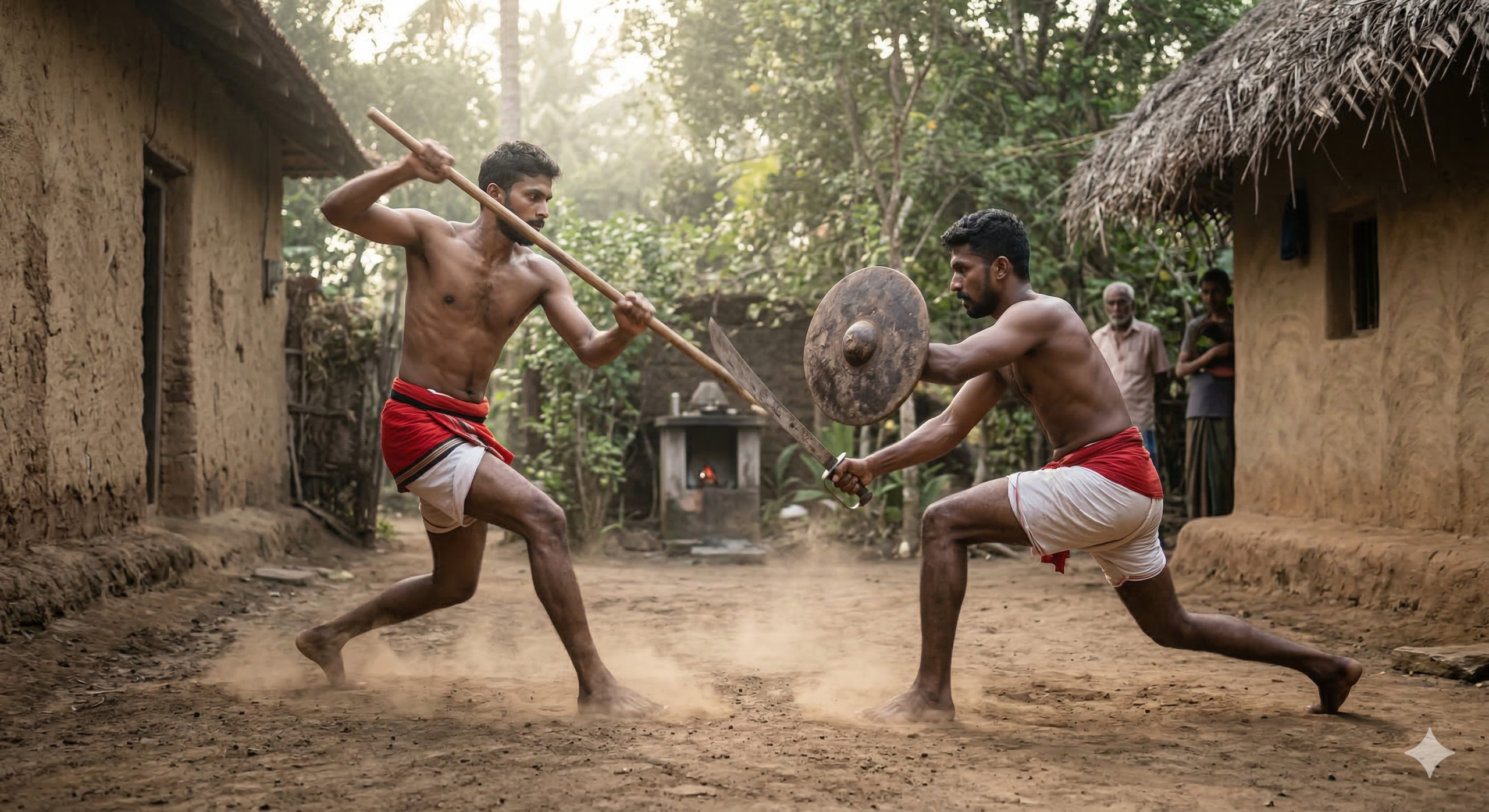
- Illangam (Armed Combat): A master of Angampora is proficient in 21 different traditional weapons. These include the Kaduwa (sword) and Palisa (shield), the Henduwa (elephant goad), and the terrifying Velayudhaya—a unique, flexible multi-bladed whip-sword that requires extreme skill to handle.
- Maya Angam (Esoteric Combat): The most secretive branch, involving the use of psychological warfare, incantations (Mantras), and the manipulation of energy to unnerve or disable an opponent without physical contact.
Pressure Points and the “Touch of Death”
The deadliest aspect of Angampora is its deep foundation in Ayurvedic science, specifically the knowledge of Marmakala (vital pressure points).
- Targeting the Life Force: Practitioners are taught the location of 107 Marma points on the human body. Strikes to these points can cause instant paralysis, intense pain, or even death.
- The Healing Hand: Interestingly, the training is circular. A master who knows how to strike a vital point to cause harm must also know the Ayurvedic treatment to heal it. This ensures that the art is used only for defense and never for senseless violence.
- Nila Shasthra: This is the study of nerve centers. In advanced combat, a single, precise finger-strike is often more valued than a powerful punch.
The Ritual of the “Angam Maduwa”
Training takes place in a Maduwa, a traditional earthen pit lined with sand. The environment is designed to be sacred, blending martial rigor with spiritual devotion.
- The Initiation: Before a student (Shishya) begins their journey, they must undergo a rigorous initiation ritual, pledging to use the art only for the protection of their country, their religion, and the innocent.
- Spiritual Discipline: Each session begins and ends with a ritualistic salutation to the Buddha, the deities, and the Guru. Meditation is as much a part of the curriculum as the physical strikes, helping the warrior maintain a “cool head” in the heat of battle.
- Physical Conditioning: Students undergo grueling exercises using heavy stones and traditional wooden equipment to harden their shins, forearms, and core, preparing them for the impact of real combat.
Resistance and Revival
The history of Angampora is a story of survival. During the British occupation in the early 19th century, the art was seen as such a threat to colonial rule that it was banned. Practitioners were shot in the knees to prevent them from practicing, and the Maduwas were burned.
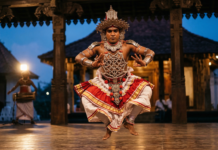
- The Underground Era: Brave families kept the tradition alive in secret, disguised as traditional dance or folk games, passing the techniques down through cryptic verses and hidden practice sessions in the dead of night.
- The Modern Renaissance: Today, Angampora has stepped back into the light. With the support of cultural heritage groups and the military, new schools are opening across the island, attracting a new generation of youth eager to reconnect with their warrior roots.
Conclusion: More Than a Fight
Angampora is the “Soul of the Warrior” in Sri Lankan culture. It represents a time when the strength of a nation lay in the discipline and spirit of its people. To watch an Angampora display today—with the clashing of swords and the dust rising from the pit—is to witness the heartbeat of an ancient civilization that refused to be silenced.